


17 min read
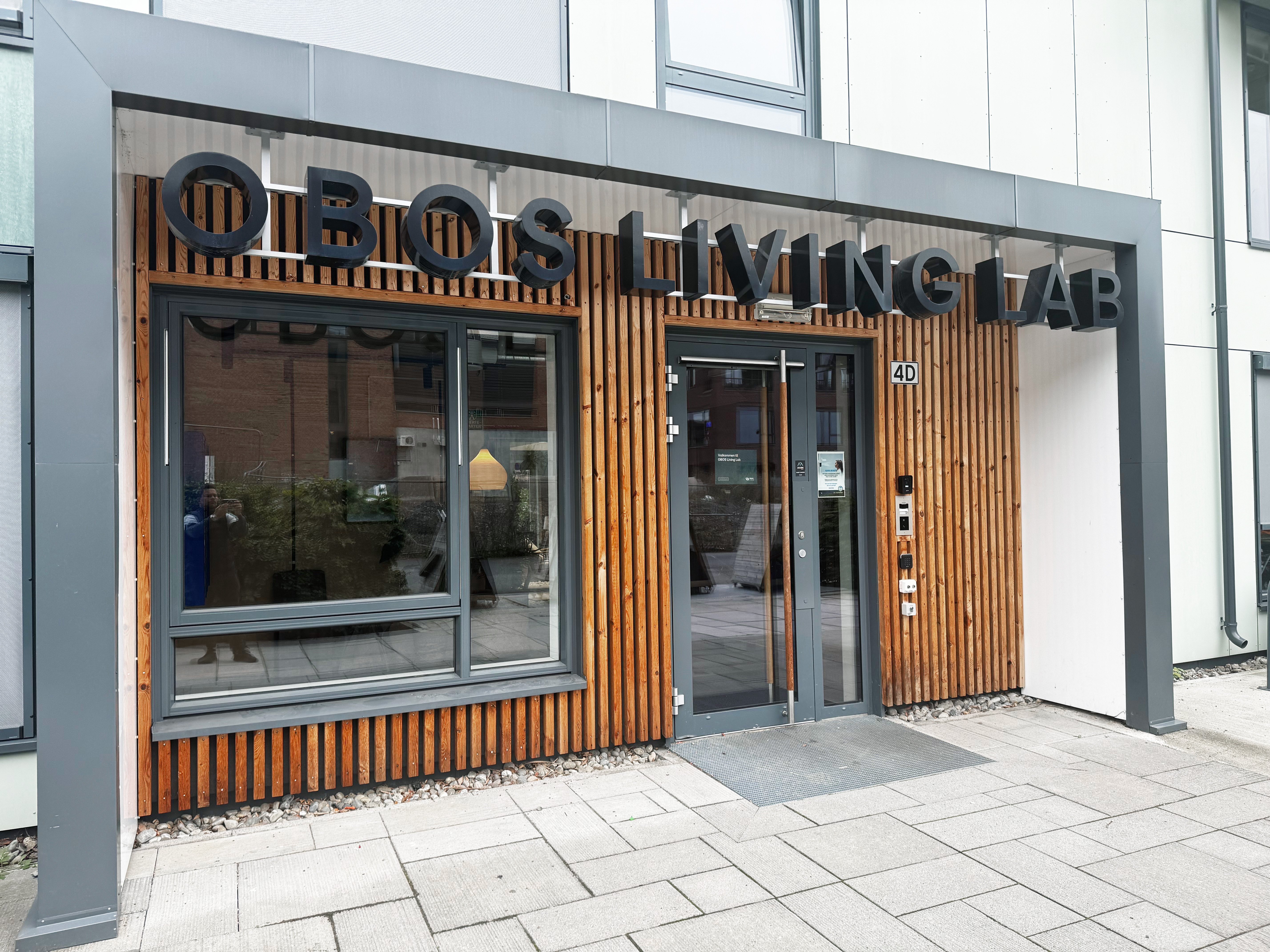
OBOS Living Lab is a full-scale testing facility where housing models, technologies, and services are tested in practice in a residential building in Vollebekk, Oslo. The goal is to find better, more affordable, and more sustainable solutions for OBOS’s members and the housing industry as a whole.
Sustainability and circularity are already central to OBOS Living Lab, where they are exploring, among other things, the sharing of equipment, furniture, space, and services, and how this can contribute to better resource utilization and lower costs. Now they are taking this one step further.
By implementing Loopfront, they aim to investigate how a better overview of furniture, fixtures, and other resources can make it easier to reuse what they already have, rather than buying new items.
What’s hiding in the storage room?
Together with Loopfront, Martin Arentz-Hansen, resident liaison and innovation support specialist at OBOS Living Lab, surveyed a total of 130 pieces of furniture, fixtures, and other items from the building’s basement storage room.
If these items are reused instead of being replaced with new ones, calculations show a potential savings of approximately 84,000 kroner, a reduction of 2.3 metric tons of CO₂ equivalents, and 1.2 metric tons less waste.
“It was exciting to see that there were such significant potential savings just in that small basement storage area, and that some of the items were already planned for reuse,”
- Martin Myrvang, Key Account Manager at Loopfront.
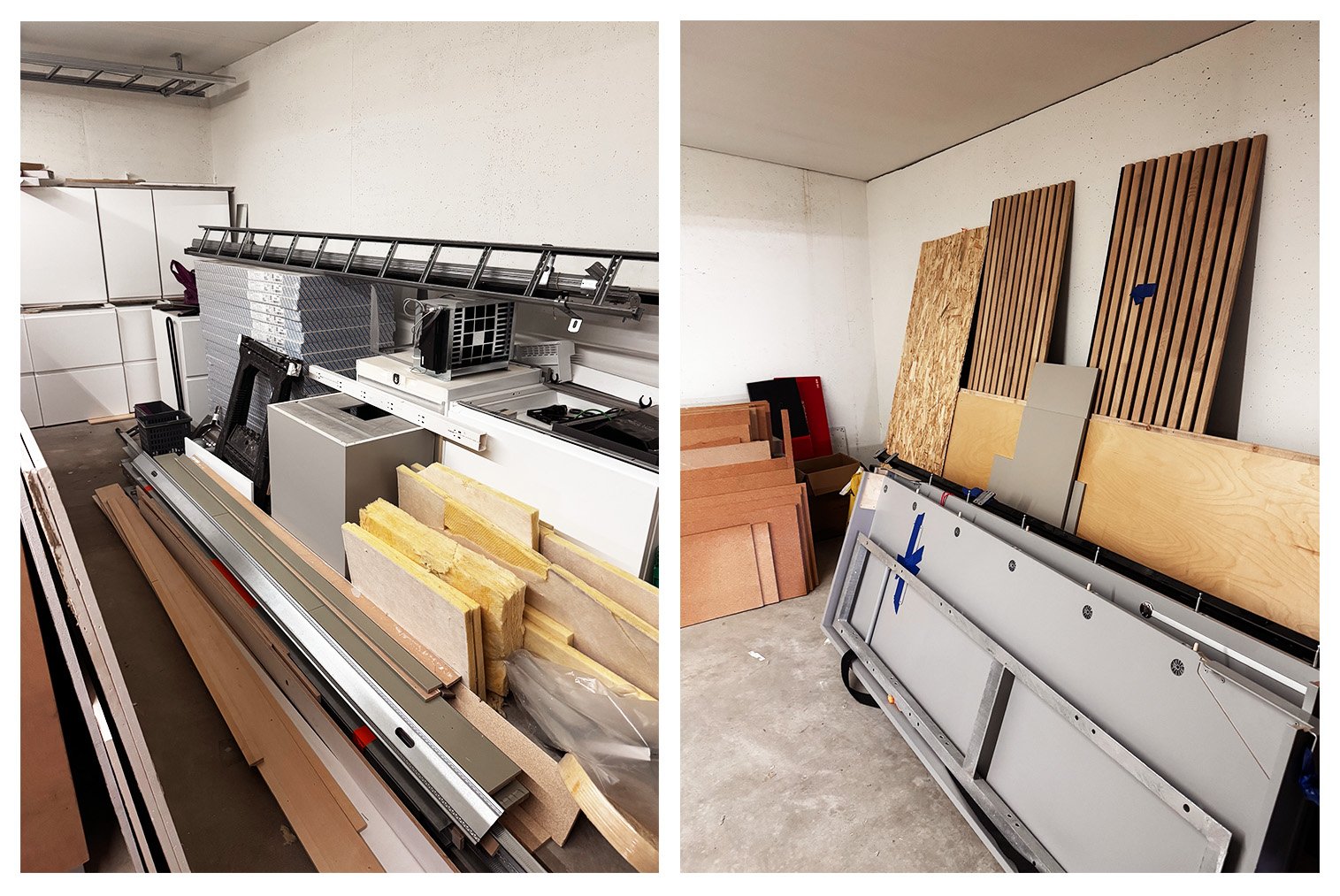
And this was just one storage area. Many of the products were practically new, and many had both economic value and great potential for further use. At the same time, the survey highlights a fairly fundamental problem: It’s hard to reuse something if you don’t know you have it.
“What has perhaps surprised me the most is how much value lies in the things we already have available. Simply gaining an overview makes us start thinking differently: Not ‘Where should we put this?’, but ‘Where can we reuse this?’"
-Martin Arentz-Hansen, resident liaison and innovation support
at OBOS Living Lab
From Storage Finds to a Living Lab
In OBOS Living Lab, things are constantly changing. The 34 rental apartments and common areas are used to test new living arrangements, technologies, and solutions. This also means that furniture, fixtures, and equipment are moved, replaced, or repurposed.
With Loopfront, these resources are given a digital identity linked to a physical QR code. This allows them to keep track of what they have, where it is located, and what happens to it over time.
The history of each individual item can also be tracked. Where has it been located previously? Has it been moved? Repaired? Reused? This is about more than just organizing the storage room. The question is whether a better overview actually leads us to use more of what we already have, rather than buying new items.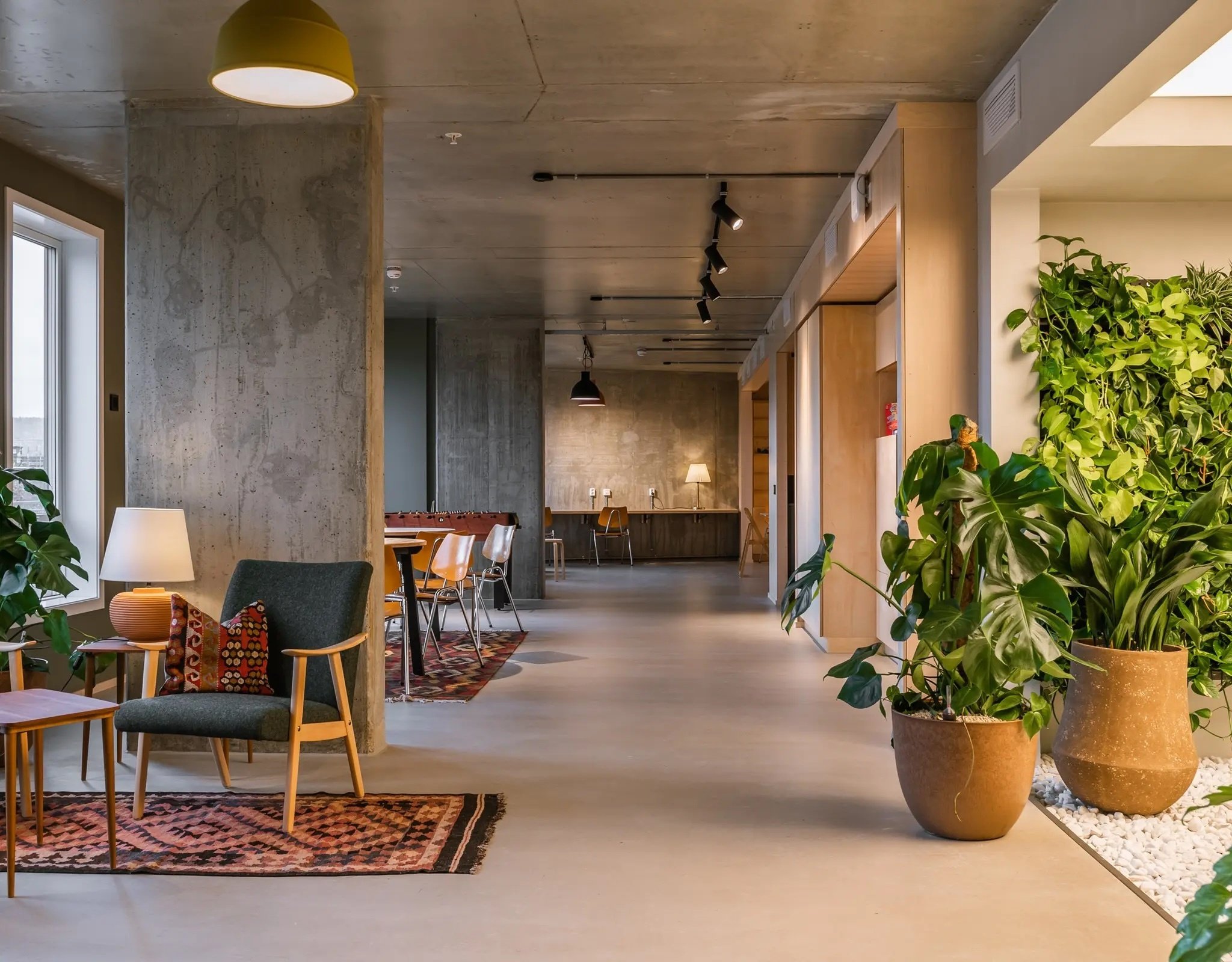
Photo: OBOS Living Lab
From the Living Lab to Larger Projects?
OBOS Eiendom is already working on reuse, including in tenant-specific renovations and rehabilitation projects. Loopfront and OBOS have collaborated on reuse over time, and the Living Lab pilot provides an opportunity to explore this approach in a smaller, flexible environment where changes occur frequently. The question is which lessons learned can later be applied on a larger scale.
"That’s precisely part of the point of the Living Lab. We can test on a small scale, identify friction, and figure out what actually works before potentially applying these lessons to larger projects. If we find a simple way to work with reuse here, it could also be relevant for rehabilitation, tenant-specific renovations, and larger projects.”
- Martin Arentz-Hansen, resident liaison and innovation support at OBOS Living Lab
Building components often have high purchase costs, weight, and carbon footprints. By identifying resources early on and planning for reuse, the real estate industry can achieve significant savings, both financially and environmentally. But how easy this is to implement in practice, which resources make the most sense to track, and how reuse can become a natural part of work processes are some of the questions this test aims to help us better understand.
Good Intentions for the Future
When we look back on the test in a year, it’s not just the number of pieces of furniture or kilograms of waste that will be of interest. We’ll also want to know what has actually been reused, what financial and environmental savings it has yielded, and whether a better overview has influenced the choices made along the way.
Read more about the project on the OBOS Living Lab website.
|
|
 Would you like to learn more about reuse and Loopfront?
